Machine Learning
What Is a Diffusion Model? A Non-Technical Explanation
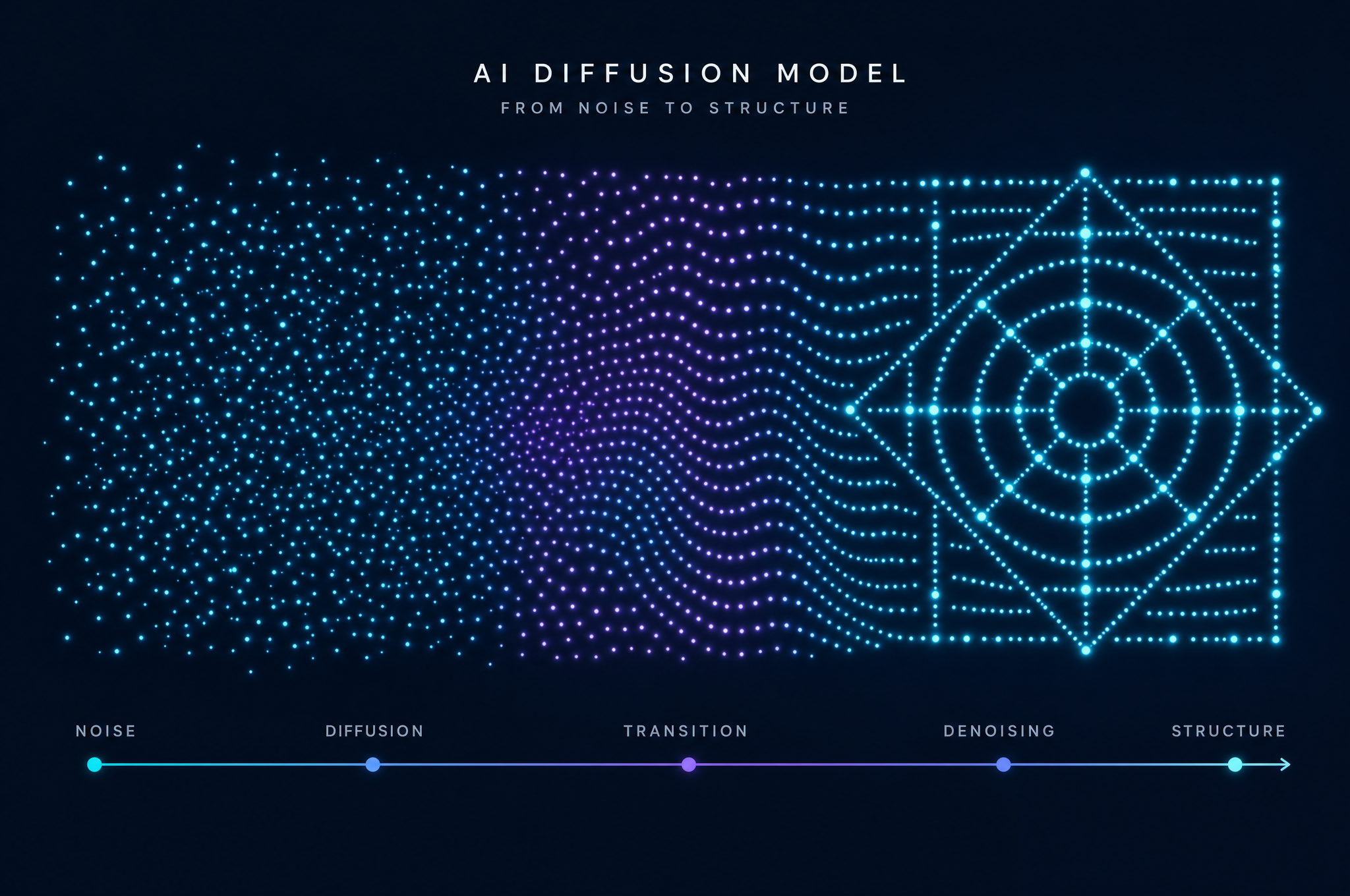
Imagine watching a photograph slowly dissolve into static, then teaching a computer to play that film in reverse. That's the core idea.
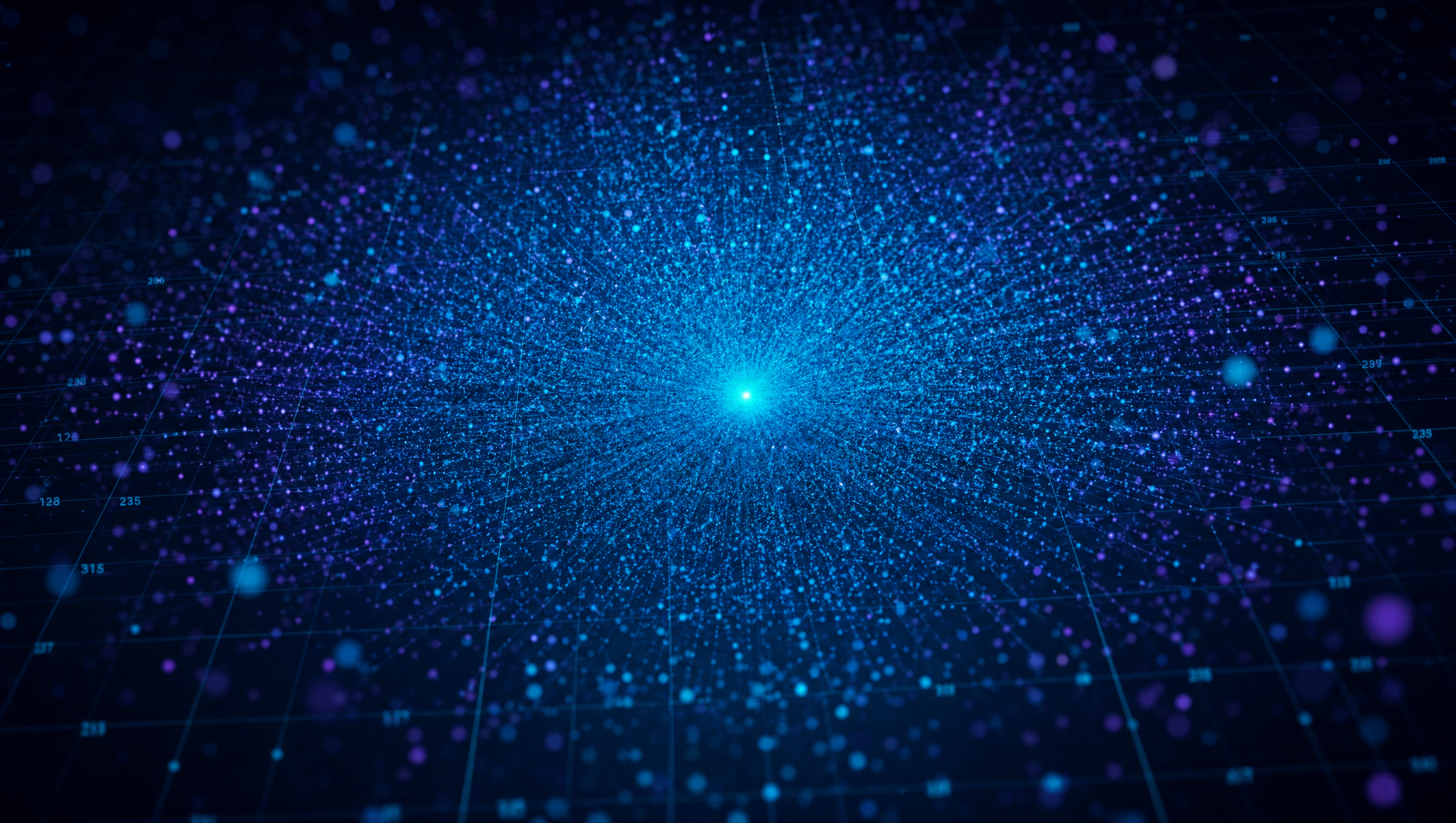
Diffusion Science is where physics meets machine learning. We explain how molecules spread through membranes, how heat moves through metal, and how AI turns noise into images — all through one unifying idea.
Why did AI researchers name their image-generation technique after a process from nineteenth-century physics? The answer reveals a deep mathematical connection between how particles spread and how neural networks learn to create.
Six domains, one underlying principle
How diffusion models generate images from noise, and why they're reshaping AI creativity.
Brownian motion, Fick's laws, and the mathematics of how particles spread in space.
Concentration gradients, reaction-diffusion systems, and molecular transport.
How cells use diffusion to survive, and why osmosis is more than "water moving."
Step-by-step visual guides that make abstract diffusion concepts tangible.
Deeper dives connecting theory across disciplines and tracing historical breakthroughs.
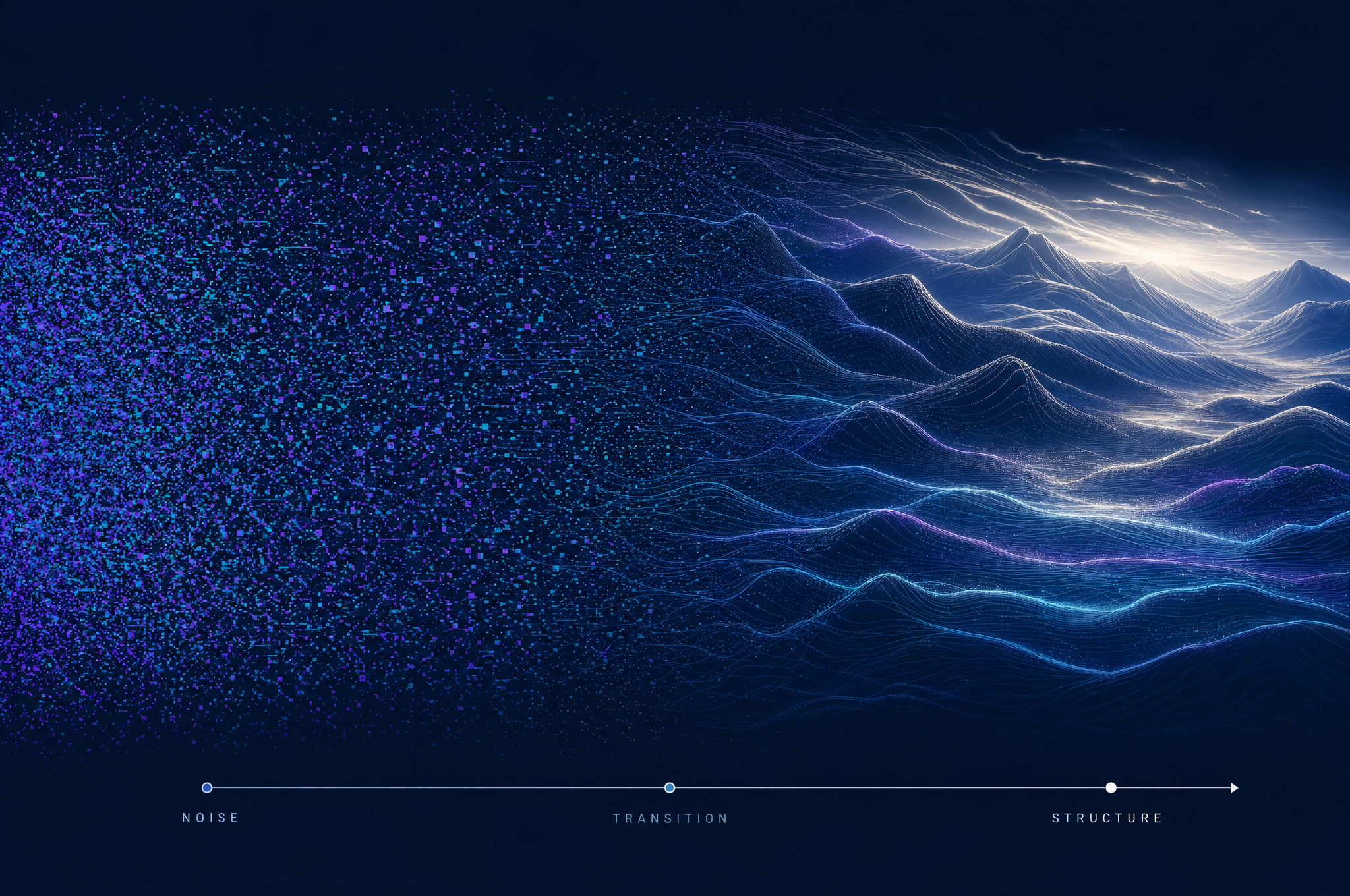
Whether in a coffee cup or a neural network, diffusion follows the same fundamental logic. Here's the unifying idea.
A concentrated substance — molecules in a corner, or a clear image — exists in a low-entropy state.
Random motion — thermal jiggling or Gaussian noise — begins to spread things out over time.
Flow moves from high concentration to low. In physics it's molecules; in AI it's probability.
AI models learn to undo diffusion — pulling signal back out of noise, one step at a time.
Fresh explainers and deep dives
Imagine watching a photograph slowly dissolve into static, then teaching a computer to play that film in reverse. That's the core idea.
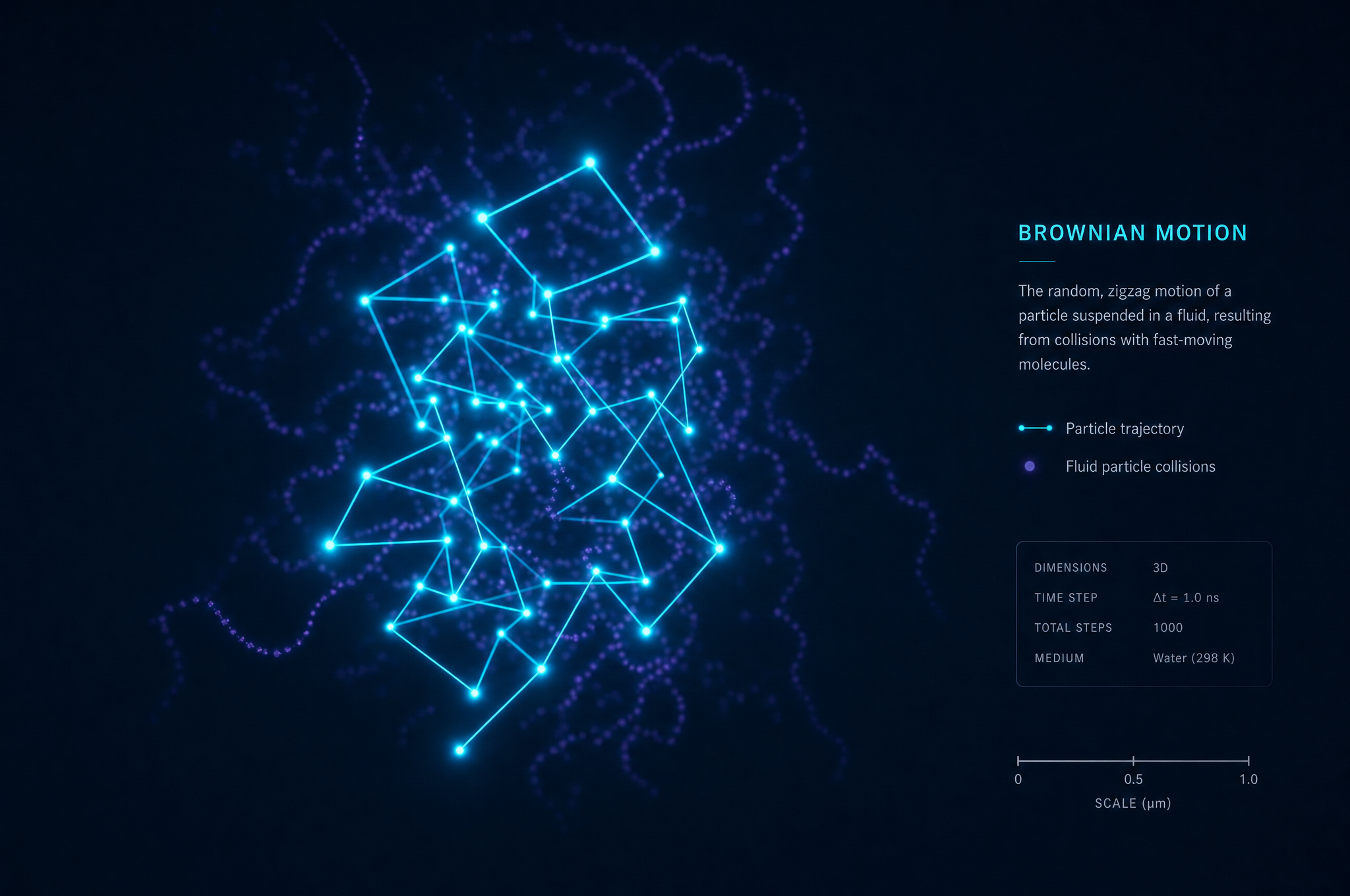
In 1905, Einstein used pollen grains dancing in water to prove atoms exist. The mathematics of that dance underpins modern diffusion theory.
Stable Diffusion doesn't paint — it sculpts. It starts with pure noise and chips away until an image emerges. Here's the mechanism.
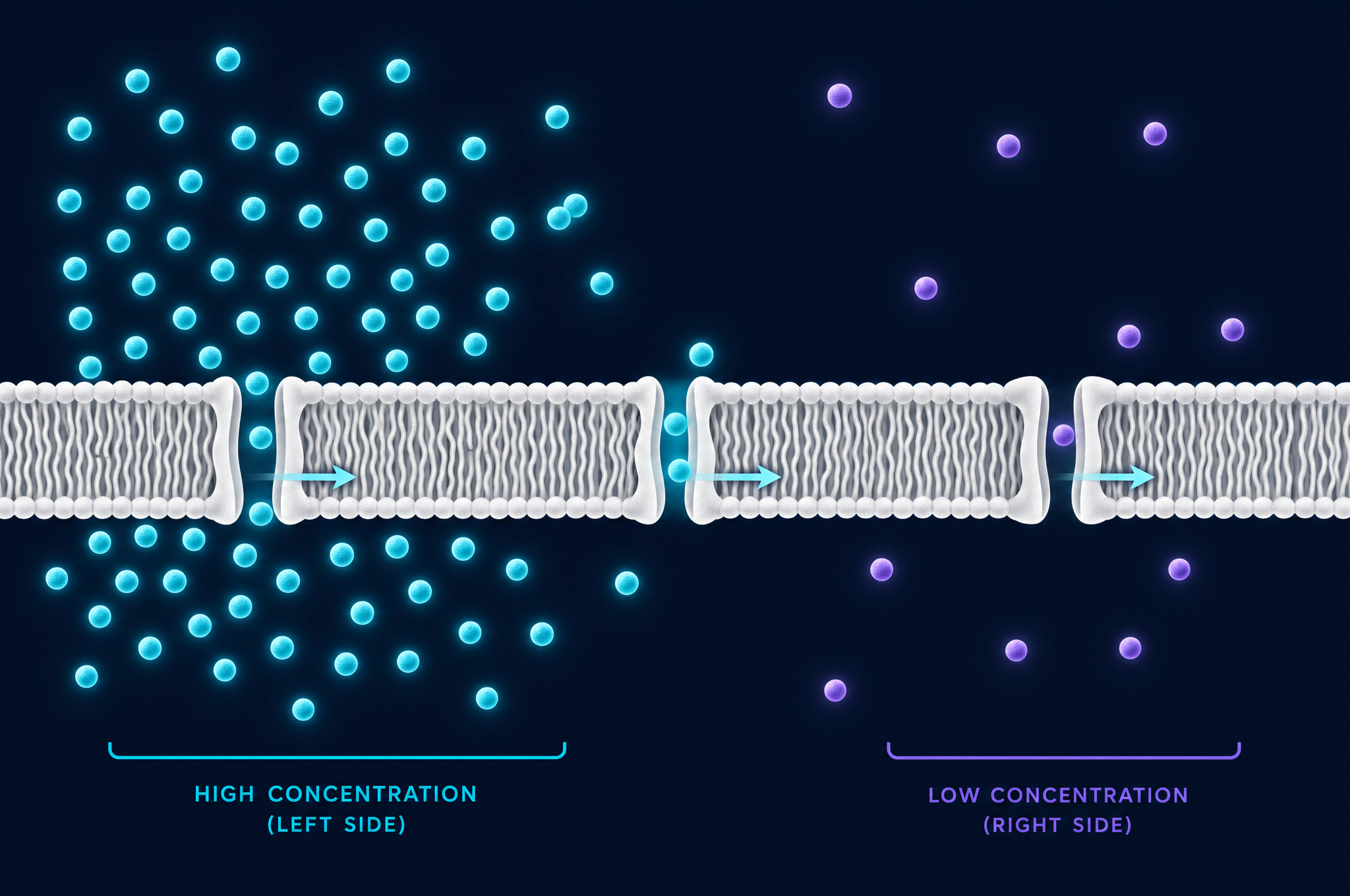
Osmosis is a special case of diffusion — but the distinction matters enormously in biology. We clarify the common confusion.
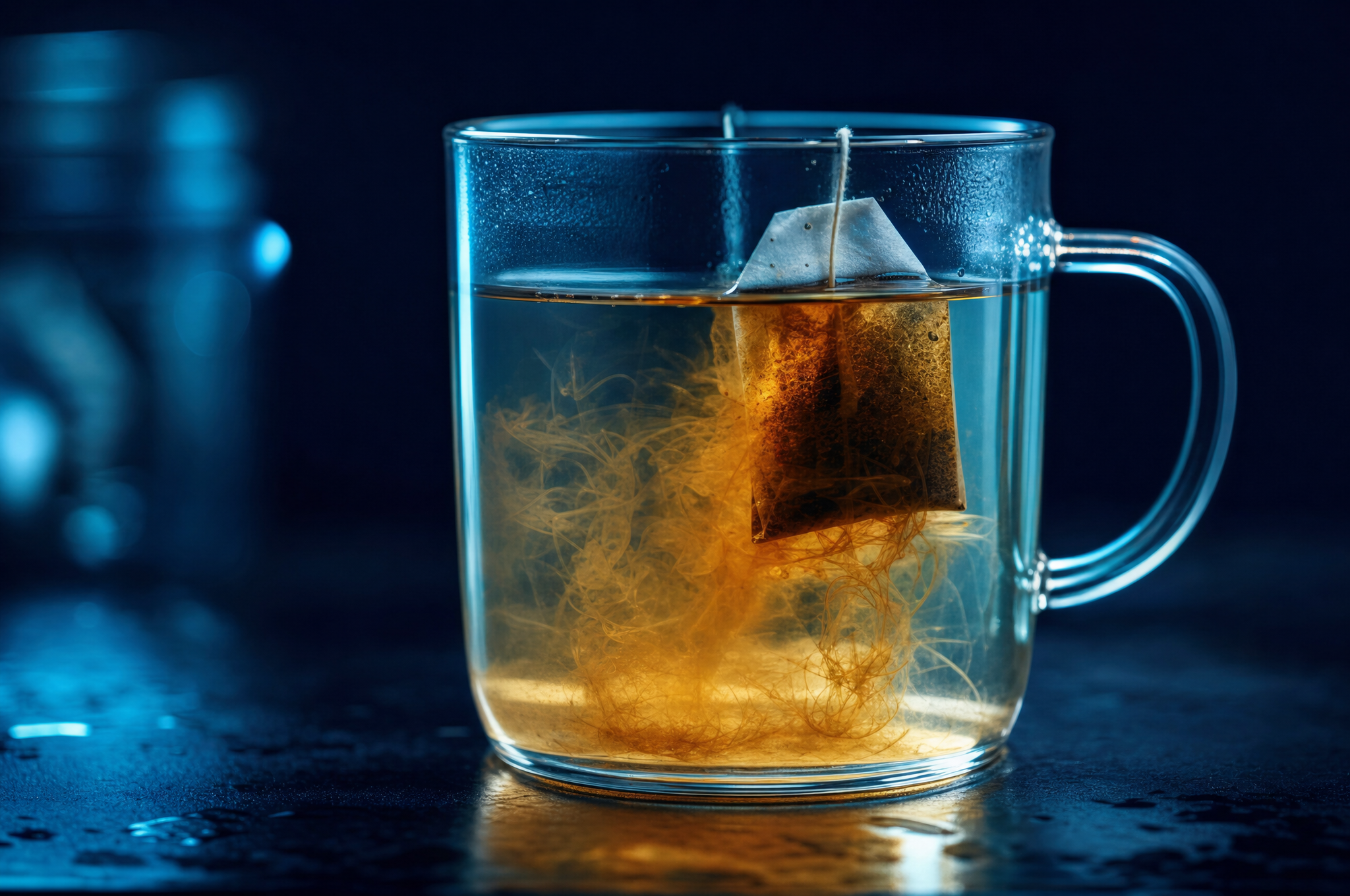
Adolf Fick's two equations describe diffusion with remarkable precision — and they're simpler than you might think.
Every time you brew tea or smell perfume, you're watching Fick's laws in action. Diffusion is everywhere you look.